


Joe Root – Biography
Early Life and Background

Childhood and Family Background
Joe Root’s story begins in Sheffield, South Yorkshire, a city whose sporting culture quietly shaped his temperament and work ethic. If you’ve ever wondered where was Joe Root born, the answer is straightforward: Sheffield, England—a place known for steel, football, and, increasingly, for producing one of cricket’s most technically gifted batters. The household atmosphere was supportive and competitive in a healthy way; cricket bats, soft balls, and backyard targets were part of the daily scenery. His parents encouraged curiosity and discipline rather than pressure, and that balance shows in the calmness he carries to the crease.
Root’s date of birth—30 December 1990—is often cited when fans look up Joe Root age in the lead-up to tours and series previews. Born right on the cusp of a new year, he grew up straddling the line between youthful exuberance and mature composure. A younger brother, Billy, also turned professional, which kept the sibling rivalry constructive and relentless. Those early battles—on driveways, in parks, and at school—became the unglamorous training ground for Root’s future elegance.
Introduction to Cricket and Youth Career
Before the stadium roar and television cameras, there were school games, county age-group matches, and winter nets that stretched long after the light had faded. Root’s youth coaches often talk about his inquisitiveness: he’d ask why a grip felt different, or how a minor change in back-lift altered the bat’s path. This slow, deliberate accumulation of know-how would later be reflected in Joe Root stats that rewarded precision and patience.
He advanced through local club cricket and Yorkshire’s development system, where his strengths coalesced early: balance at the crease, late hands through the ball, and a gift for shot selection under pressure. The sports career of Joe Root traces a familiar English arc—schoolboy prodigy to county hopeful to national beacon—but the consistency of his youth performances hinted at something rarer. Even then, he seemed to understand tempo: when to push, when to pause, and when to let the bowler come to him.
Path to Professional Cricket
Joining Yorkshire and Early Career
Yorkshire’s academy is a crucible, and Root embraced it. The county’s standards are uncompromising, but they matched his appetite. He learned to graft on seaming early-season wickets, to value his off-stump, and to leave well. Those habits read like footnotes in a manual on English batting, yet in Root’s case they formed the spine of a distinctive style. He wasn’t the loudest stroke-maker in county cricket, but his scores accumulated like steady rain.
Height and build can matter for balance and reach, and fans sometimes ask about Joe Root height in feet. He stands at roughly 6 feet 0 inches, tall enough to ride the bounce and still compact enough to keep his technique tight. That frame helped him open the face late, thread gaps behind point, and roll his wrists to keep pull shots down.


England U19 and Debut with the Senior Team
The U19s gave Root his first taste of international rhythms—jet lag, tactical variety, and opponents who’d studied his strengths. He carried a tranquil aura even then, a quality that would later define his Test persona. The senior call-up felt inevitable but was never guaranteed; English cricket is crowded with promise. When the moment came, he arrived with the calm of a meticulous apprentice—one who had already rehearsed every scenario he could imagine.
Rise to Fame
Debut for England in International Cricket
The senior debut introduced Root to a harsher light and a heavier jersey. International bowlers attack your technique and your ego; Root met them with a soft step forward and a bat that flowed late. He found singles early, wore the shine off the ball, and made opposition captains shuffle fields a fraction at a time. That was his early superpower: he could make five an over without hitting a boundary by bending angles and stealing pockets of space.
In those formative years, the line in every preview—Joe Root biography summaries, team sheets, TV graphics—was about temperament. He seemed unflappable. And as his body of work grew, so did Joe Root career credibility across formats: the classicist in Tests, the tempo manager in ODIs, the inventive nudger-and-nudger in T20s.

Key Moments in His Career Breakthrough
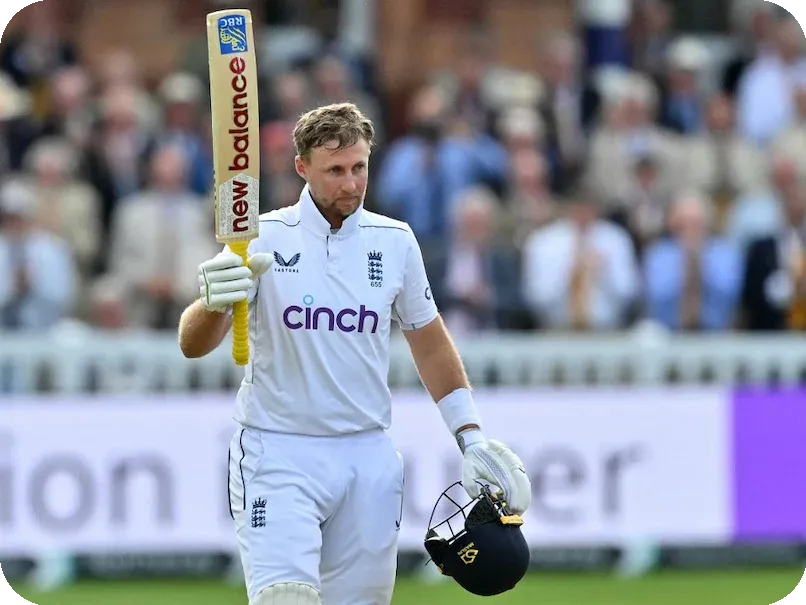
Every great player has touchstone innings. For Root, one hallmark is his highest score in Tests—254—a masterpiece of control and placement. It displayed the full Root catalogue: back-foot punches that shaved point, feathered dabs that turned good balls into singles, and the occasional flourish to remind bowlers he could break the field at will. Another defining trait in his timeline is cumulative excellence: the steady march of Joe Root total runs season after season. Rather than spiking and crashing, his graph rises like a dependable gradient.
Fans and analysts frequently parse Joe Root stats to understand why he sits among England’s most productive batters. The secret is found in dozens of untelevised decisions: letting a ball pass by a whisker, playing with late hands, minimizing false shots early, and cashing in once set. He doesn’t chase milestones; he allows them to arrive as a by-product of process.
Joe Root’s Playing Style
Batting Technique and Strengths
Root’s batting starts from a neutral, balanced stance. His head stays still, eyes level, and the bat path is tight through the line. He is a late hitter—meaning he commits fractionally later than many peers—so he can adjust to movement. That’s why he looks so comfortable guiding length balls between backward point and third man. On slower pitches, he leans forward early to smother turn; on quicker surfaces, he rides bounce with soft hands.
Strike-rotation is his rhythm section. He angles the blade at the last heartbeat, turning dot balls into ones and twos. Then, when bowlers drag wider to cut off the single, he opens up the cover drive or shifts to the back foot to punch through extra cover. This gear-shifting—gathering, then pouncing—has underwritten not just his average but his time-at-crease, the raw ingredient behind those big totals that headline Joe Root stats.
Root’s sweep game—conventional, slog, and reverse—grew into a major weapon against spin. It does two things: it forces captains to move square fielders, and it drags length off middle-and-leg into zones he prefers. The composure here is crucial; he rarely premeditates recklessly. He watches, waits, and then commits with clarity.
His Role as a Captain of England
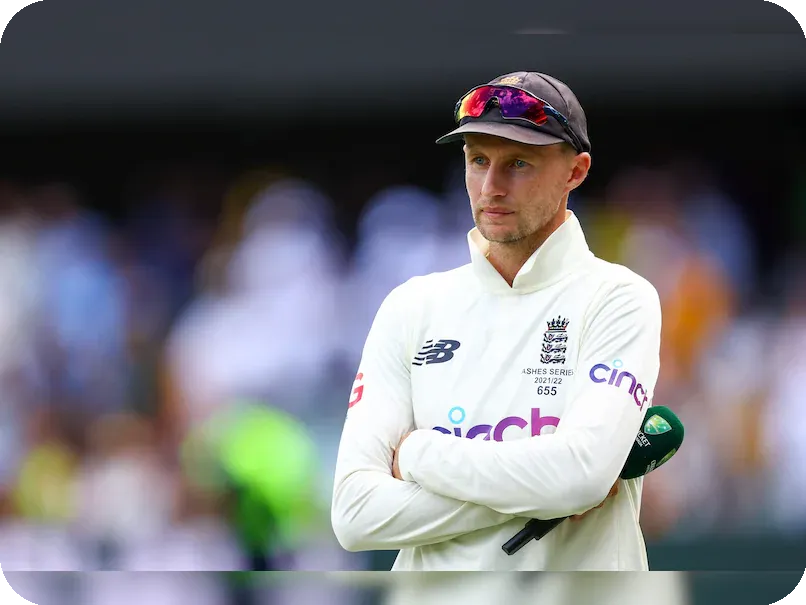
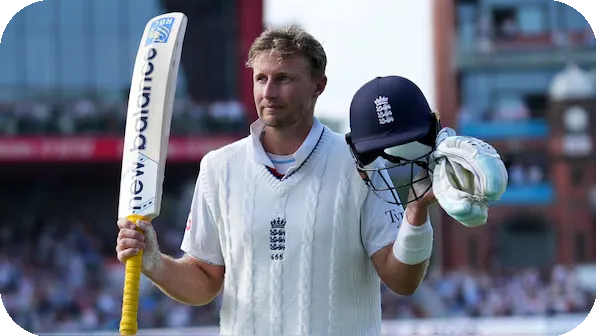
Leadership found Root at a challenging time. He captained England with empathy and a strong sense of responsibility, often absorbing pressure while shielding younger players. Though captaincy can blur the edges of personal performance, Root’s batting remained a constant. His tenure was marked by honesty in selection debates and dignity after defeats. Press rooms learned the cadence of a Joe Root press conference: respectful of opponents, protective of teammates, and careful not to feed headlines. Even after relinquishing the role, he remained a senior voice, a cultural cornerstone who sets standards through preparation and humility.
Personal Life
Joe Root Outside Cricket
Beyond the dressing room, Root cultivates a grounded routine. Travel is relentless, so he prioritizes small anchors: calls home, quiet workouts, and a familiar coffee order. He reads the game obsessively, yet he’s learned to switch off with music, films, and the occasional round of golf with teammates. Fame can turn athletes into caricatures; Root’s refusal to perform a persona has kept him relatable.
His public image is not constructed from viral moments but from everyday decency. Spectators see it in how he acknowledges applause, how he chats to junior staff, and how he stops for autographs with unhurried attention. That authenticity spills into media duties too. At a Joe Root press conference, he tends to amplify collective effort over personal plaudits, to explain rather than deflect, and to give the opposition their due.
Family, Hobbies, and Charity Work
Root’s family is central to his equilibrium. When people search for Joe Root wife, they’re looking for the person who shares much of the unseen load: travel logistics, long distances, and the emotional whiplash of elite sport. Marriage and parenthood redefined his sense of time. Training had to become smarter, recovery more deliberate, and off-days truly restorative.
Charity work sits quietly in the background of his public life. He has supported causes tied to children’s health and community sport, often away from cameras. The aim is not grandiose; it’s practical help—equipment, visits, visibility—extended with gentleness rather than fanfare. The hobbies are low-key, too: reading, family walks, and time spent in kitchens or cafés that feel like home between tours. These anchors protect the human behind the brand, sustaining the patience and kindness that fans notice as quickly as a cover drive.
Legacy and Future of Joe Root
Impact on English Cricket
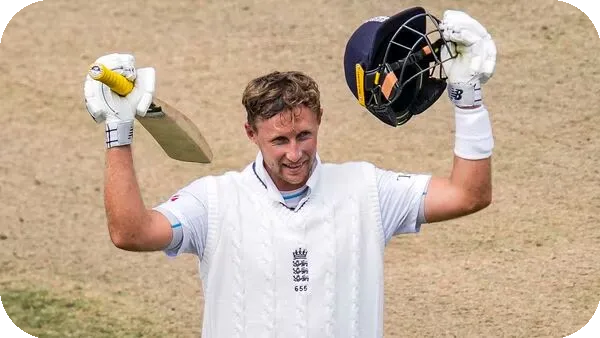
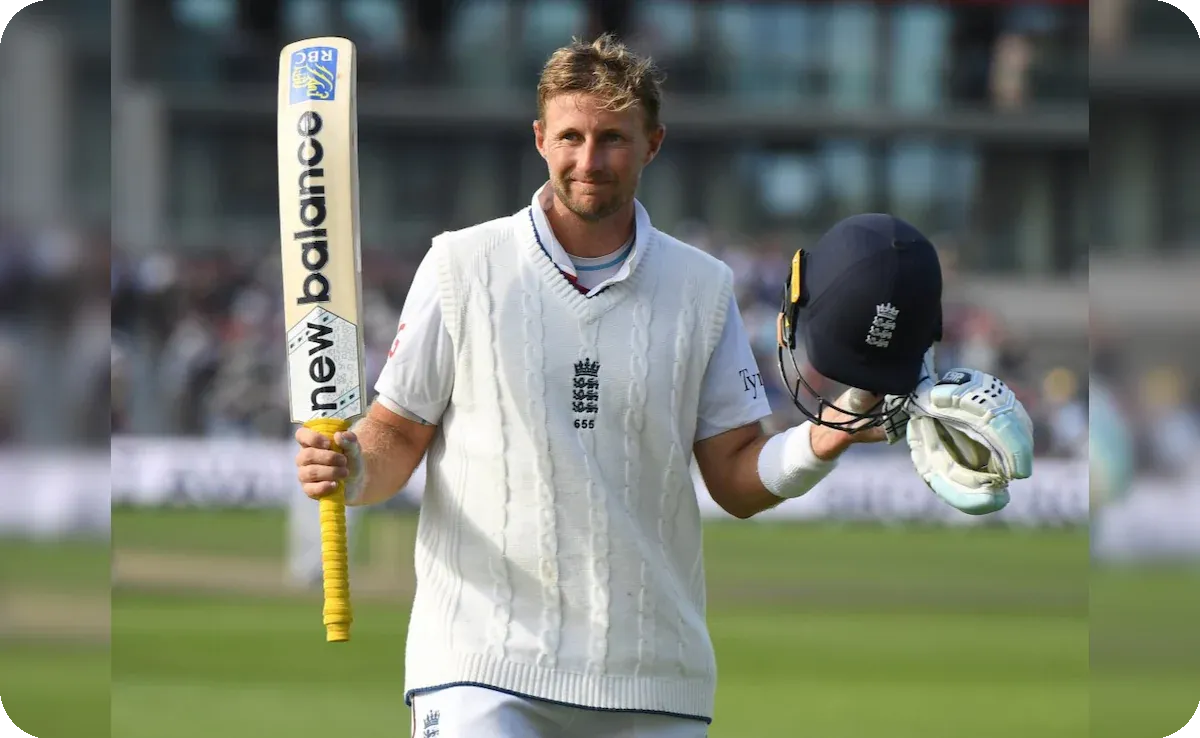
The sports career of Joe Root has influenced English batting in two enduring ways. First, technique: younger players study his balance, late contact, and alignment. They copy his back-foot punches and his glide to third man because it translates well to English conditions. Second, temperament: Root models a professional calm that doesn’t mute competitiveness. He’s proof that you can be fierce without being theatrical.
Historically, England’s great batters have navigated moving balls and demanding schedules; Root’s addition to that lineage feels organic. His oeuvre across formats—Tests as the cathedral, limited-overs as the workshop of craft—underscores the completeness of Joe Root career. He is the friend you want at the crease when the lights drop and the ball nips. He’s also the teammate who leaves a dressing room better than he found it.
The statistics echo the eye test. When analysts examine Joe Root stats, they talk about conversion rates, series-defining knocks, and time batted—metrics that isolate value beyond highlight reels. The volume matters, but so does the distribution: runs in Asia against spin, runs at home against seam, runs under lights, runs after collapses. He doesn’t just score; he scores when it matters.
Future Prospects and Career Goals
What comes next is as intriguing as what’s already written. Root still looks technically fresh, physically durable, and competitively hungry. Questions about Joe Root retirement pop up whenever a great player crosses a landmark birthday, but his public stance has been measured: play while contributing, adapt as the game evolves, and walk away only when the balance shifts. That kind of clarity helps him focus on craft rather than the calendar.
Looking ahead, Root’s goals are likely to remain performance-based, not legacy-obsessed. That means refining his sweep game further, sharpening boundary options early in an innings, and mentoring the next generation without sacrificing his own output. The accumulation will continue; Joe Root total runs across formats will keep climbing, not as a chase but as a consequence of good decisions repeated. And in the background, the personal milestones will arrive naturally.